

April 8, 2015 · 9:42 pm
Below Zero (F) Report
I have NEVER liked cold weather. Not from when I was a little kid. Sure, there were a couple of isolated fun moments swooping down the hill at the Oakley Country Club in Belmont, Mass, on Flexible Flyer when I was in grade school, but trudging around on my paper route as a teen on blustery winter afternoons beneath a slate grey sky in Orleans on Cape Cod rather sucked. Especially the pain associated with my toes thawing out when I got back home. And there’s the story about how, one bitterly cold night in Canton, MO, where I was attending college in 1960, I went to see “Where The Boys Are” which led me to transferring to the University of Miami in Coral Gables, FL.
After the plane touched down at MIA in August of ’61, the door opened to 95F heat and humidity of around 98% and I said, “I’m HOME!!!” I spent 47 years, off and on, living in Florida. I moved to Mount Peculiar, Ohio, last April. It’s the first time since 1976 that I’ve lived somewhere that didn’t have palm trees! (Besides Florida there was Antibes, France; on the Riviera, and Chiriqui Province, Republic of Panama) Today when I woke up it was MINUS six degrees Fahrenheit. Totally YUCK.
I always got a chuckle when I’d ask new transplants from the Great White North to Florida how they liked it. So often their answer was that they “missed the seasons.” Well, even south Florida has four seasons, and I’m not just talking about “Tourist Season,” though from the time I moved down there until the present you can now barely tell when the snowbirds arrive it has become so crowded.
Seasons in Florida are subtle. Not the blatant in-your-face crudeness of the northern tier of states. In Florida you have to leave the sheltered womb of your air conditioned home/car/office/mall and pay attention. There’s a definite, though impossible to define, change in the character of the temperature between winter and spring in Florida. Different plants are suddenly flowering. The breeze caresses your cheek a bit differently. Daily, afternoon frog-choking thunder storms mean it’s summer time if you can’t figure it out from the heat and humidity. Fall has a different scent. You notice that the rayless sunflowers and the slender blazing stars are back in bloom. The arrival of white pelicans announce that winter’s coming.\
None of that up north. Open your front door and a five below zero (Fahrenheit) breeze punches you in the face as you notice there’s three feet of snow on the sidewalk. You don’t have to be too alert to figure out it’s effin’ WINTER, jerk!
Filed under Uncategorized
Sniffles…
I moderate a shanty boar group over on Facebook. Got over 2,000 members. I’ve rejected, maybe, 1,000+ idiots who either wouldn’t answer the two simple questions I asked or who were extreme right wingers…Trumpers. SkaREW those folks! Let ’em start their own damned group!
Anyway, there has been a recent discussion about homemade bread baked in a solar oven. My comment was:
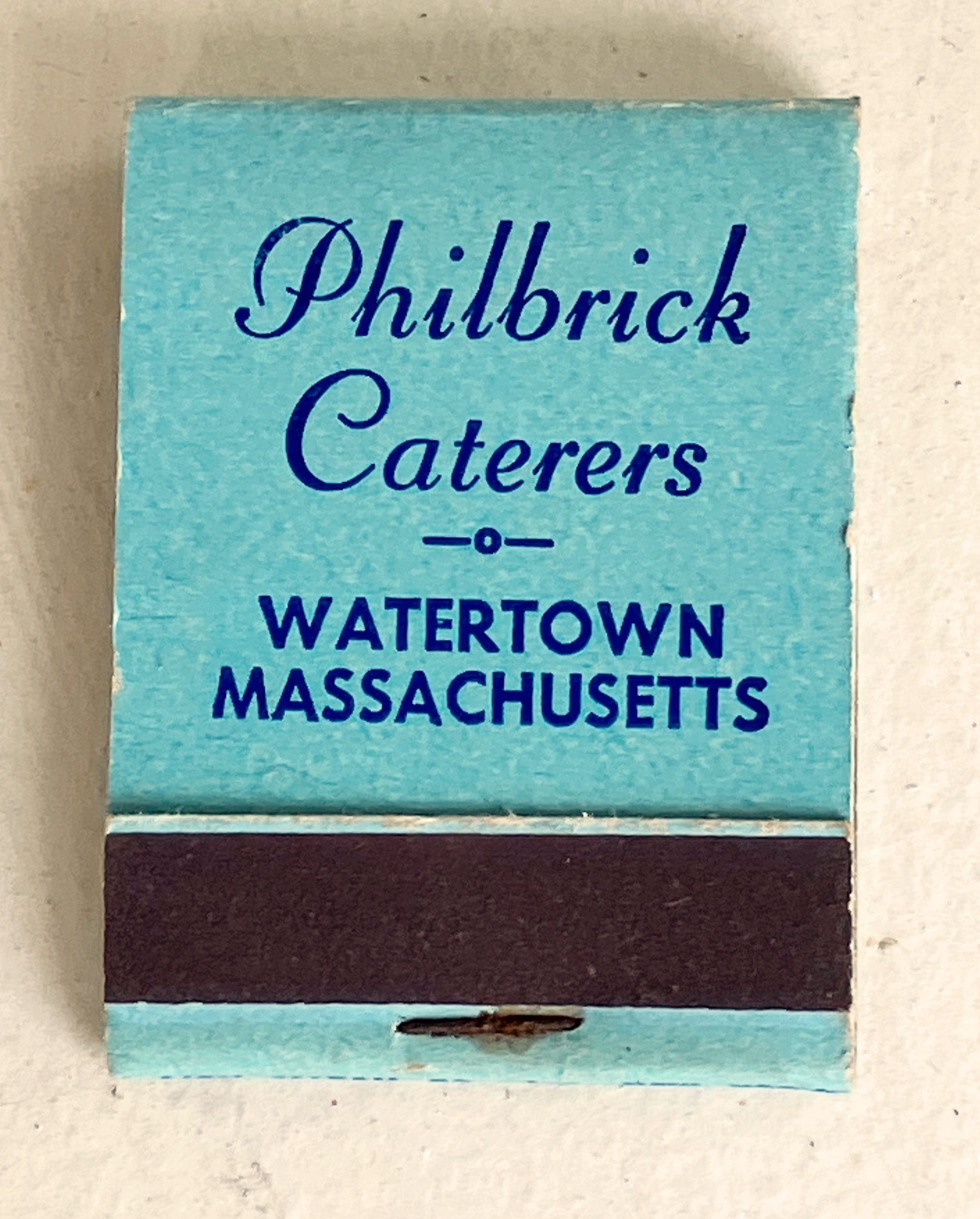
But I remember, as a child, the delightful aroma of the rolls my mother would be baking for that evening’s banquet catered by “Philbrick Caterers”
Baking bread. It’s one of those magical few seconds that happen when you catch that tiny whiff of baking bread; the wetness of freshly mowed grass; an ephemeral whisp of night-blooming jasmine leaving a tantalizing path beneath your nose; or that split second after the first few raindrops hit the pavement on a scorching summer day.
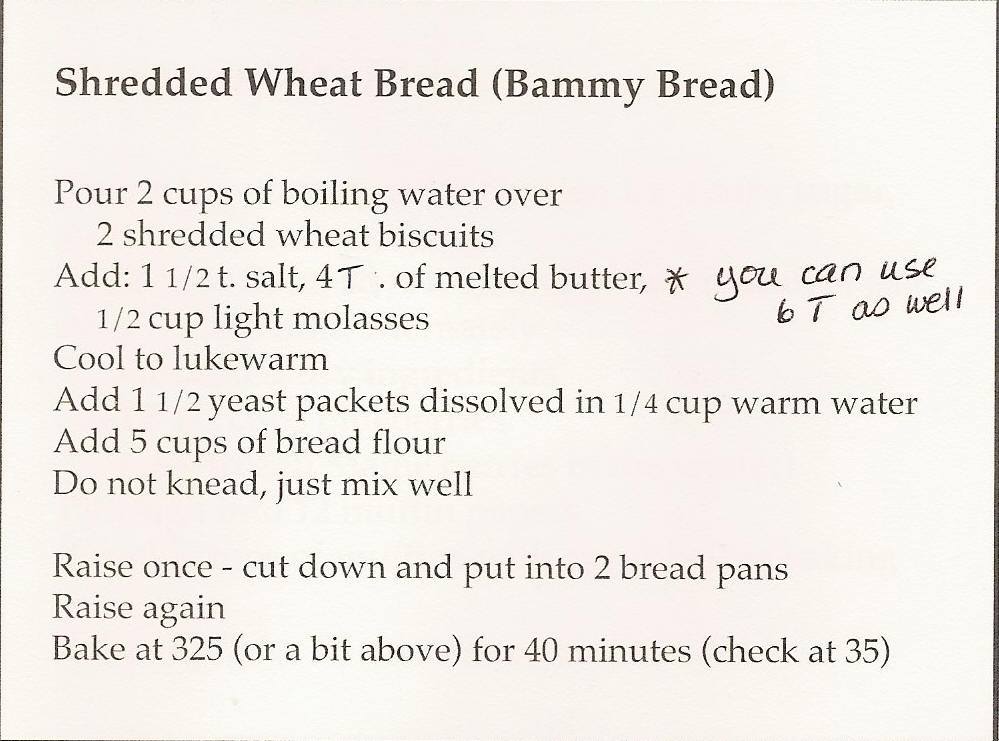
One of the things I remember my maternal grandmother baking we called Shredded Wheat Bread. Even I (that’s bold italic) have made it! No kneading needed (did ya see what I did there?)…It’s simple an the ingredients are easy to find.
Comments Off on Sniffles…
Filed under Uncategorized
How’d That Work Out, Anyway?
This cartoon reminds me of the winter of ’74/’75 when I was working for a few months as a headhunter for a firm specializing in computer personnel. This is what computers looked like back then.
a big part of our work day was devoted to recruiting “fresh meat” for the mill. One day I made a cold call to a geek at Hewlett-Packard.
When we got around to the part of the interview where I asked “What are you working on now?” he said, “Oh, it’s real exciting. We’re working on ‘mini computers.'”
“What the hell are those? I asked.
“Oh,” he said, “these will be small computers that people will have on their desks in the office some day…”
“Yeah, sure thing, buddy, send me a postcard when that all works out, will ya?”
That was the end of the interview.

Comments Off on How’d That Work Out, Anyway?
Filed under Uncategorized
Remiss
Once again I have been absent from this site and so much has happened since the last time I logged in.I have no excuse. Lazy and not much going on. Have scheduled an appointment to have the cataract removed from my left eye on Jam. 2nd and the right eye a week later.
Comments Off on Remiss
Filed under Uncategorized
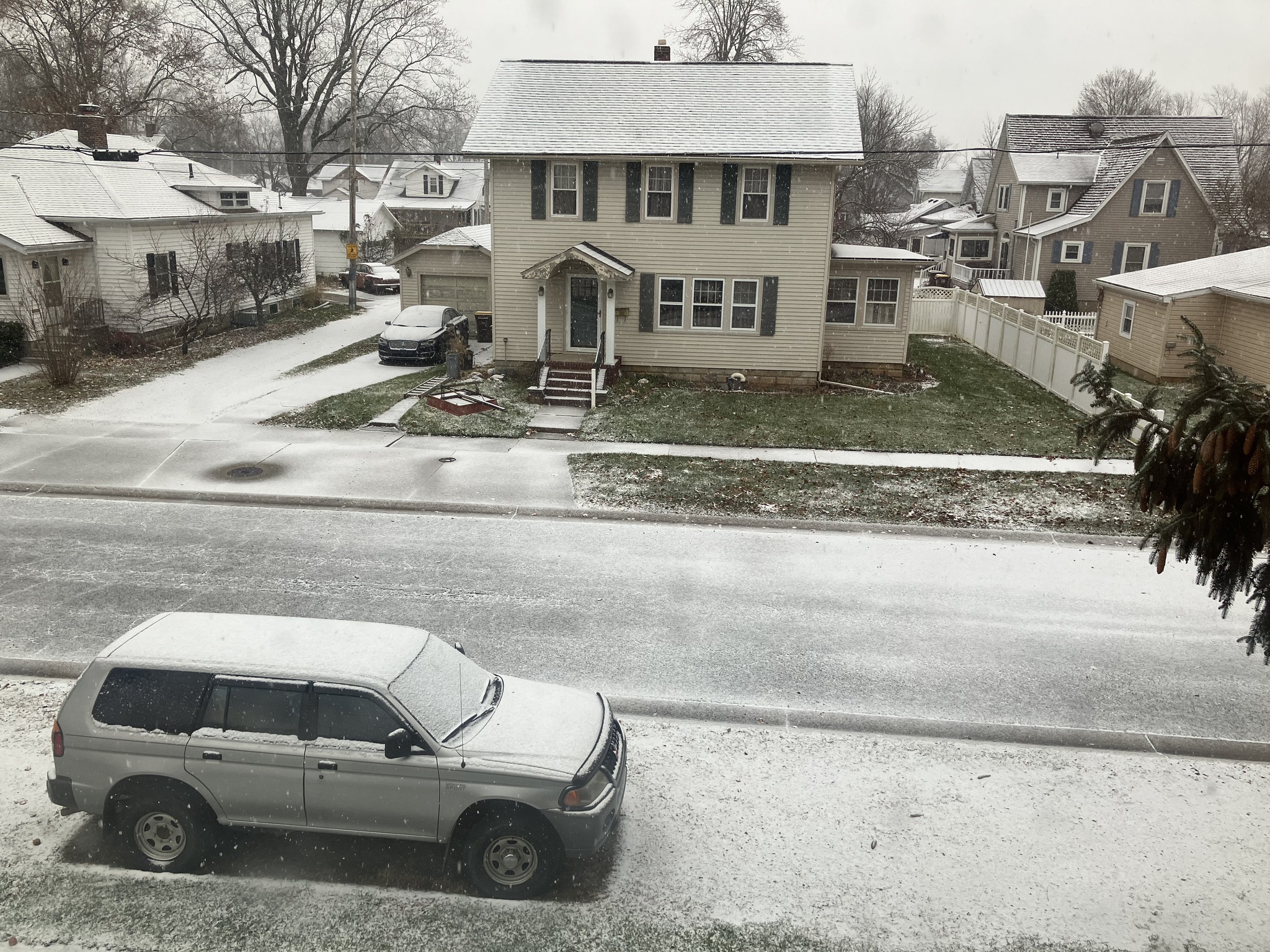
Snowing in Mount Peculiar, Ohio, Nov. 26, 2923
This is the first time since 1976 that I have lived in a location that didn’t have palm trees. And in 1976 I was only in Chicago until September when I buzzed down to Fort Lauderdale.
Comments Off on Snowing in Mount Peculiar, Ohio, Nov. 26, 2923
Filed under Uncategorized
Officially An Ohio Resident
I am now, officially, an Ohio resident. My SUV is insured and titled in the state. I have a state-issued driver’s license, and an official State of Ohio handicapped placard to hang from my rear view mirror.
I’m even registered to vote here. I am one of those people despised by the MAGA crowd…I’m a RINO!!! Republican In Name Only.. Oh, once I was a believer in the Republican cause. Before they became the bigoted bunch of baboons lead by the Giant Orange Zit. I cast my very first presidential vote for Barry Goldwater, and in 1968 I voted for Richard (I am not a crook) Nixon. That was it. Since then I’ve only voted for one Republican. Let me tell you about that…
In 2016 I registered to vote in Manatee County, Florida. At the time I was living on a small boat at anchor off of Anna Maria Island, just south of Tampa Bay. I registered as a Democrat. When the polls opened I went online and checked where I needed to go to vote. When I got there I was told I wasn’t registered. After a bunch of back and forth I was given a provisonal ballot. I knew there was going to be a problem when the people didn’t know what the hell to do with it once the ballot was in the envelope I’d signed.
I waited a couple of weeks and then went to the country election offices which were conveniently located at the end of the bus route I needed to take to get to the mainland…what I called The Darkside. The clerk at the front desk explained that my vote was not recorded because the address I’d given when I registered was a mail drop and that wasn’t allowed. It’s good enough for the state to allow you to use a mail drop address on your driver’s license but not as your voting address.
The clerk and I were having trouble trying to figure out how to remedy the situation when a gentleman came out of an office and asked what the problem was. When we explained it to him he sat down at the computer keyboard and typed away. My official address for voting was HIS OFFICE ADDRESS!!! He was head of the whole Manatee shebang and even though he was a Republican and I was registering as a Democrat he signed me up. He did his job and he was deserving of my vote in the general election and he got it.
When I moved from the island to The Swamp on the Saint Johns River in Debary, FL I changed my registration to Republican so I can vote in those douchebag’s primaries and mess with them a bit.
Comments Off on Officially An Ohio Resident
Filed under Uncategorized
Notes from Mount Peculiar, Ohio…Where Mayberry Collides With The Twilight Zone
Smoke from fires in Canada and parts of northeastern U.S. is spreading south over much of the Midwest, Ohio Valley, Northeast and Mid-Atlantic, bringing milky-white skies and dangerous air pollution to the most populous corridor of the country. Fine particles contained within the smoke, hazardous to breathe, have prompted air quality alerts for tens of millions of people. With my lungs chugging along at 21% of capacity I’m one of the people those alerts are aimed at. It has NOT been fun.

Simply moving around has been a struggle. Never the less, I got a lot of stuff accomplished in the first three days of the week.
Major League Baseball has cancelled several games due to poor air quality.
On Monday I got insurance for my SUV so I could get legal here in Ohio. I’m paying just a hair over half of what it was costing me down in The Swamp off the Saint Johns River in DeBary, FL. Then, filled with fear and trepidation I headed over to Bryan, county seat for Williams County, to the Bureau of Motor Vehicles. Let me tell ya, they could teach the people at the Florida DMV a thing or two about how to run an operation. However, I have to be honest and say the Florida people are dealing with a huger hoard of people, many of them who are probably armed since Wretched Wrong DeSantis signed a law permitting “concealed carry” without a license. I was able to transfer the title to the SUV from Florida to Ohio and got the beast registered without incident.
Getting a driver’s license is a real hassle, though. The supposed “authenticated” license the Sunshine State issues isn’t worth squat to the Buckeyes. I have to provide them with a certified copy of my birth certificate…Ordered over the internet. Then I have to show them my Social Security card. That’s another hassle because I haven’t seen mine in years. Also, when I got my first SS card it said, right on the bottom, “Not to be used for identification.” Times have changed. I tried to get a replacement on line, but the app kept saying it couldn’t verify my address here. So that meant a trip to Defiance to the Social Security office.
In the evening I called the reptile who carried my insurance and canceled. I’m getting a refund…a whopping $4.06!!! Can’t even get a Happy Meal at McDoo Doo’s for that.
On Tuesday I had an introductory appointment with my new doctor. First time I’ve had a woman. She was pleasant and attentive. Changing a couple of the meds I’ve been taking. One, the Metoprolol for blood pressure, lessens the effectiveness of the albuterol I take for my breathing a bit and I’m going back on Lisinopril which I was taking prior to the Metoprolol. Also getting Albuterol with an added ingredient for the nebulizer.
Today, Wednesday, I headed out for the Social Security office. The mapping app on my phone offered three choices…basically a big circle with a slash down the middle. I use that road most of the time when I go into Bryan to do my shopping and pick up my meds at the Wally World there. Two parts of the ride were interesting. On the way down I had to make a turn and head East on US Route 6. If I’d continued on it for a couple or three days I’d have come to within a half mile of the house I grew up in in Orleans on Cape Cod. Route 6 runs from Provincetown on the Cape to Santa Barbara, California.
My first reaction when I got to the location was “Oh, crap!” I thought the place was closed. There wasn’t a single car in the parking lot. But it was open and, besides the security guard, there was no one else in the waiting room. Before I could even sit down I was called to a window where an attractive young lady took down the information needed to get a replacement card. At the end I was asked if, “under penalty of perjury” I swore that all the info I’d provided was true, I said, “Sure. Why not?” She laughed so hard she almost choked. I hope that made her day.
On the way back to what is now home there was a brief leg on iconic Route 66. Everywhere along the route you could see the haze created by the fires hovering over the fields where sprouting corn is turning the once brown acres green.

When I returned to the house in Mount Peculiar I found that Vicki and her son Nick had installed my new a/c in the window of my bedroom. Now I can hole up here insulated from the poisonous atmosphere.
Filed under Uncategorized
Emergency Room Visit
Sure don’t want this to become a habit, but I had my second visit to the local ER here in Mount Peculiar, Ohio, in a time span of a month. Both because of my serious COPD and the fact that my lung capacity is less than 21%.
The first trip to the ER came when I was having a problem breathing. A serious problem! And my oxygen concentrator wasn’t helping. Fortunately the nearest hospital is only a mile away. When I got there the only thing I could gasp out when the lady at the reception desk asked what was the matter was “Help me.” I was close to collapsing.
The nurses and the respiratory tech did a decent job. I saw the on-duty doctor for less than a minute. Really. He didn’t do squat!
I left a couple of hours later with a diagnosis of “Chronic bronchitis.” No new meds and just told to follow up with my GP. Since I switched out of my coverage “network” I have a different doctor. The first one they gave me turned out not to be accepting new patients. The second one doesn’t have an open slot for an appointment until June 6. Oh, well.
I was getting along well until late Thursday evening. I had an occasional twinge of pain across my chest from one side to the other and a little towards the back. I knew it wasn’t a heart attack. Had one of those about 18 years ago. Friday the pain was more intense but not a problem if I remained inert. Lying in bed reading wasn’t a problem. Moving around was. It was the kind or pain you get when you’ve cracked a rib. I know that pain. Cracked ribs a couple or times and even separated my sternum once. Definitely not fun. I told myself if I didn’t feel better in the morning I’d go to the ER.
Though I slept well Friday night the pain was ferocious when I woke up. I negotiated the staircase to the main floor in three stages, resting twice on the way down for oxygen to get my breathing back in order. I didn’t think I could negotiate the few steps from the living room, down four steps to the sidewalk and then to Vicki’s truck. We called an ambulance. The EMT asked if I wanted to go to the local hospital a mile away or the larger hospital in Bryan about 9 miles away. I needed help ASAP!
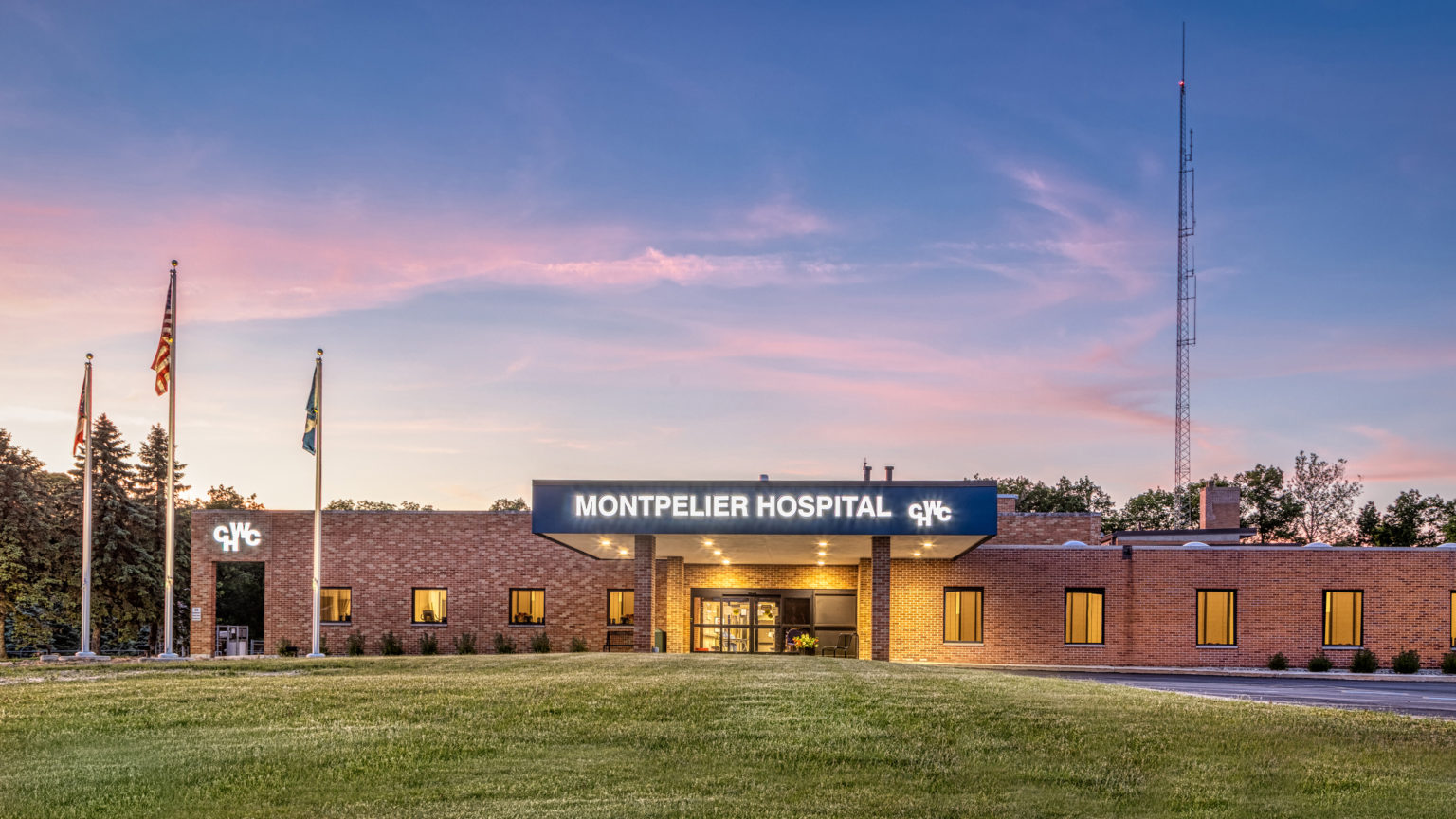
I have nothing but heartfelf thanks to the ER team at Montpelier General Hospital. I was in EXTREME pain. Only when passing the four kidney stones over my lifetime have I been more miserable. And think of this…I got hit by a car once while I was walking on a sidewalk!!! The concussion and two broken legs were a piece of cake compared to what I was feeling at the Mount Peculiar Hospital ER. If there would be any peckishness to find it would be how long it took them to get the morphine coursing through my veins. AHHHhhhh…
Everyone was very attentive. The front desk lady brought me paper work to apply for financial aid without even being askeda . The doctor saw me at least a half dozen times. I had a chest Xray and a CAT scan. The scan says there’s a 7mm “nodule” on my right lung. Who knows what the hell’s going on there? I’ll have to schedule another CAT scan in six months to see if there’s any change. I had a good session with the respiratory therapy lady and received a thing-a-ma-jig for improving the rescue inhaler.
Bottom line diagnosis is: Pleurisy occurs when the pleural lining — two large, thin layers of tissue that separate your lungs from your chest wall — becomes inflamed, causing chest pain.
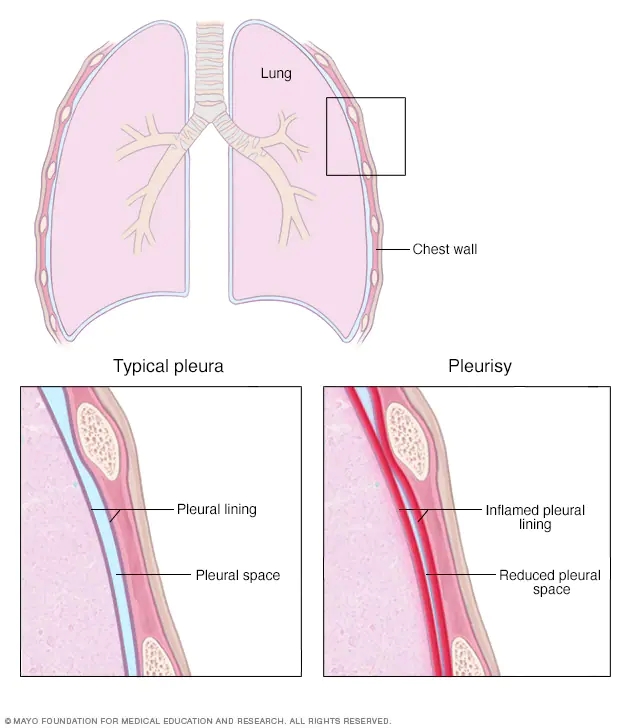
One pleural layer of tissue wraps around the outside of the lungs. The other pleural layer lines the inner chest wall. Between these two layers is a small space (pleural space) that’s usually filled with a very small amount of liquid. These layers act like two pieces of smooth satin gliding past each other, allowing your lungs to expand and contract when you breathe.
If you have pleurisy, these tissues swell and become inflamed. As a result, the two layers of the pleural lining rub against each other like two pieces of sandpaper. This causes pain when you breathe in and out. The pleuritic pain lessens or stops when you hold your breath.
Went out and stocked up on all my meds and on the way back to Mount Peculiar I remembered why I only stop in at Taco Bell once every couple of years.
Comments Off on Emergency Room Visit
Filed under Uncategorized
Spring Ain’t Sprung…
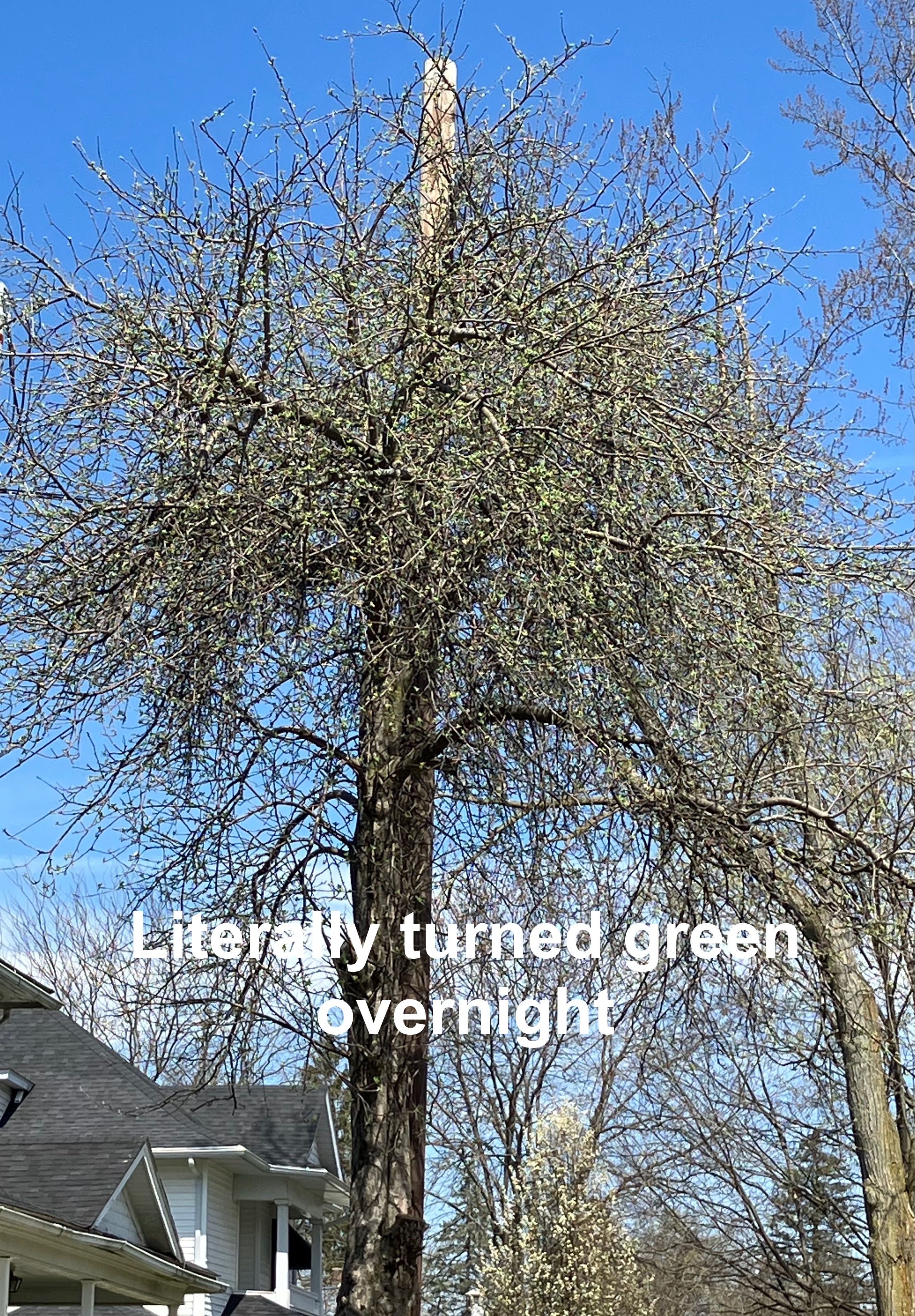
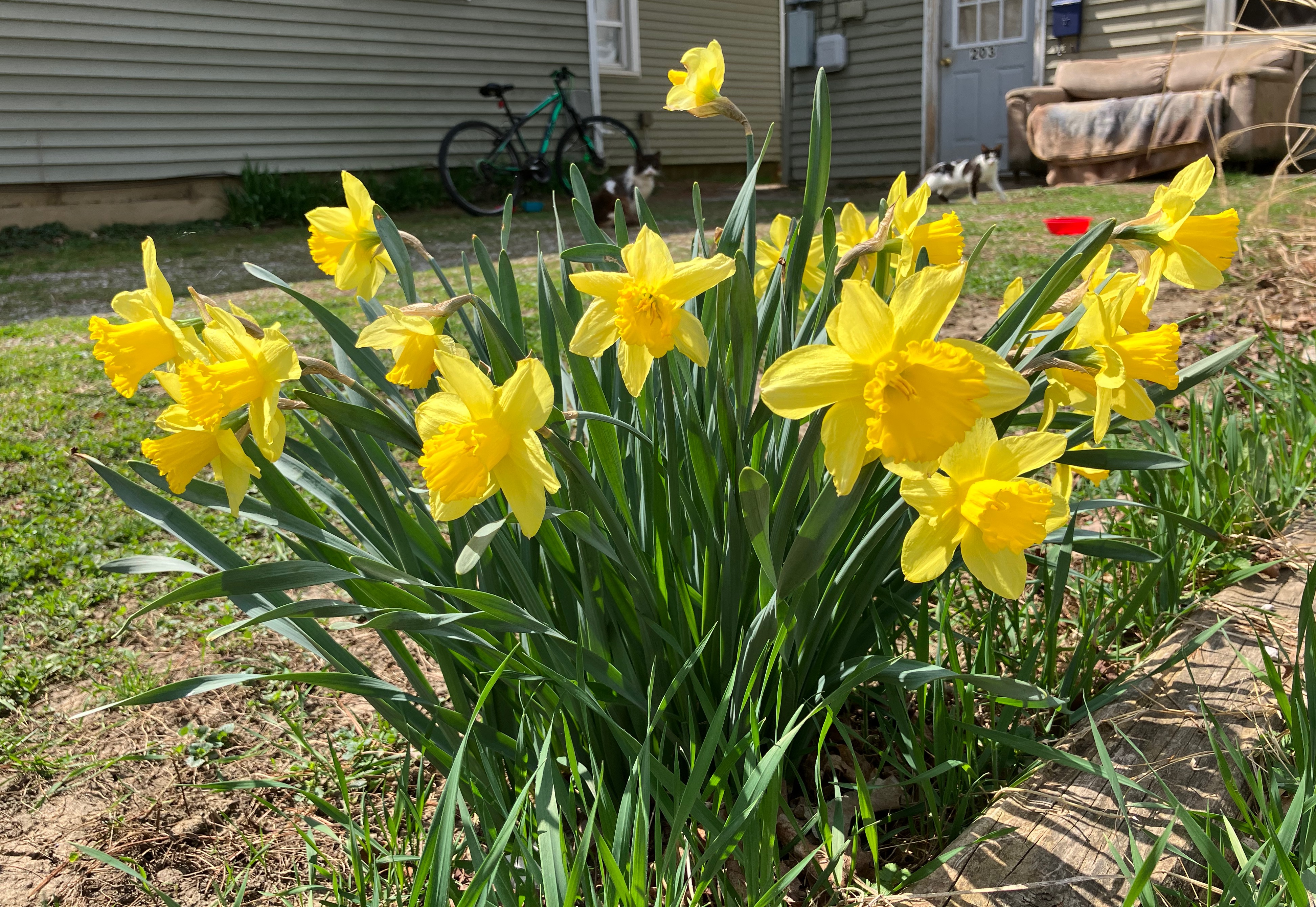
Technically Spring started 28 days ago on March 20th. In the last week here in Mount Peculiar, Ohio, officially known as Montpelier, the temps actually touched 80F and trees and bushes changed overnight…
But Old Man Winter’s reluctant to give up his hold, and yesterday we got THIS…
,
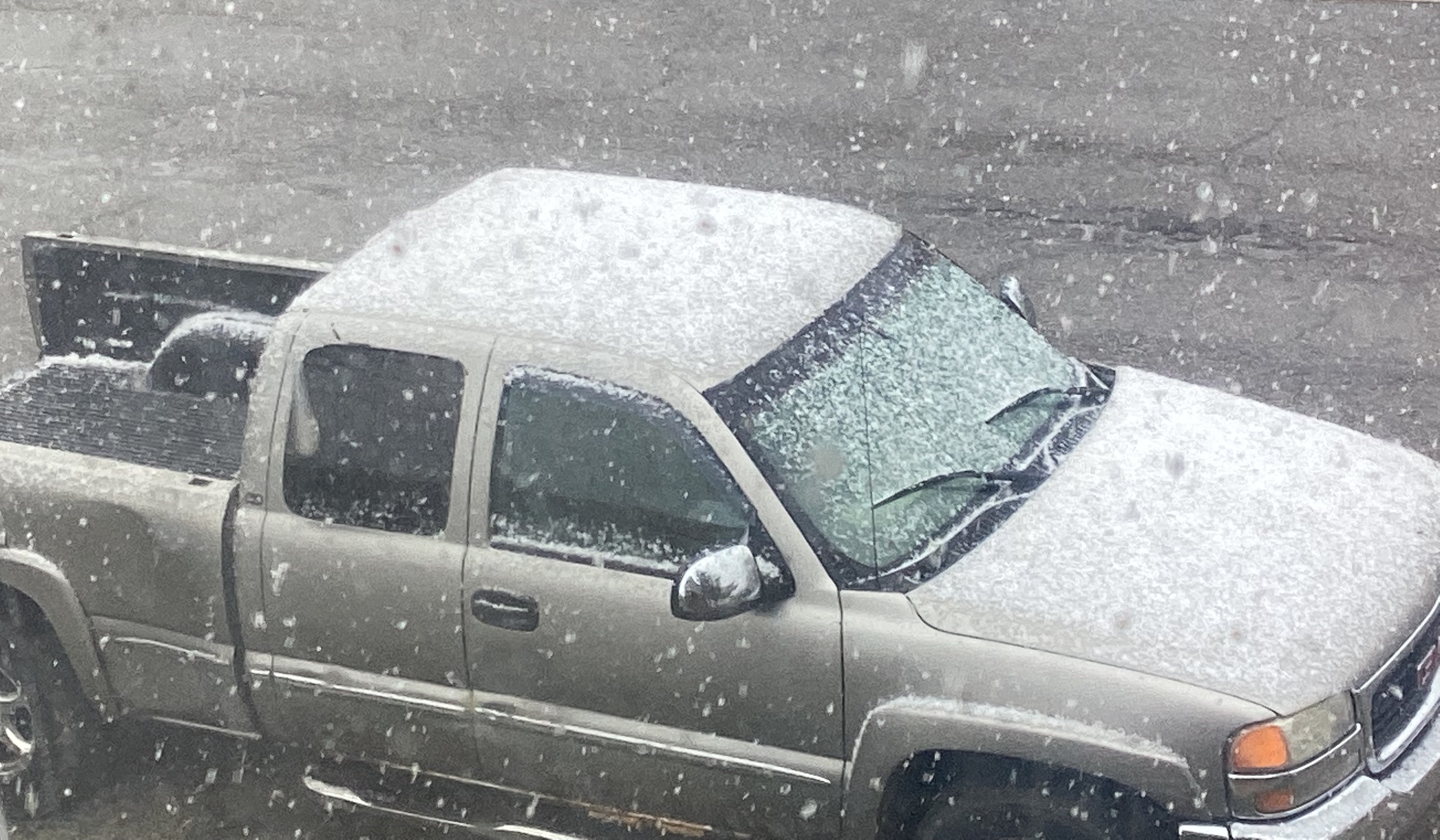
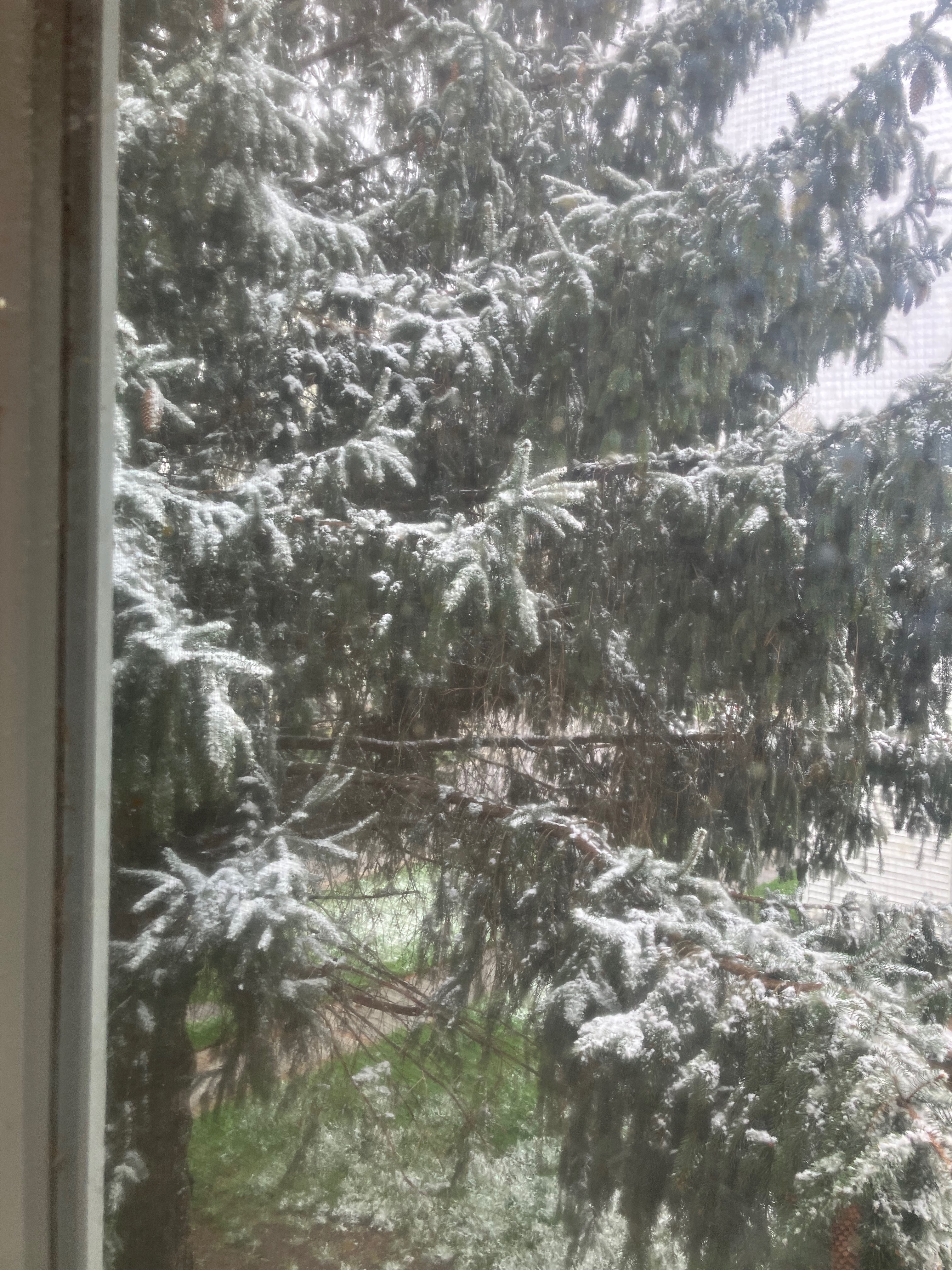
The last time I touched the sky dandruff was in 1991 over in Golfe Juan, France, a bit east of Cannes…

It’s absolutely crazy here in Mount Peculiar. It’s 41F right now just before Noon, and supposed to, perhaps, get up to 50F. Thursday’s high, the Sayers sooth, is supposed to be around 80F and then 43F on Sunday with a low of 28F.
Filed under Uncategorized
Mount Peculiar, Ohio (Where Mayberry collides with the Twilight Zone)
Okay, so it’s REALLY Montpelier but it is a peculiar place.When I got to this village plunked down in the middle of miles of cornfield stubble a couple of weeks ago, everything was stark and gnarly. Only a few fir trees showed any green. Visual shock from being in The Swamp on the Saint Johns River in Central Florida. But it seems that nearly overnight things have burst into life again. Some trees with pink and white flowers. Splashes of bright yellow for forsythia. A robin hopping on a lawn. Can’t remember how many years, decades even, since I’ve seen one of those.
I’m staying at the home of a friend I first met down in Panama and again when I dropped anchor in Bradenton Beach, FL.
I thought the place where I grew up, Orleans, Cape Cod, was eadly dull, but Mount Peculiar has it beat. The only place in town to get a burger at night, other than Mc Do Doo’s at the edge of town, closes their kitchen at 9 p.m. on a Saturday night!
I need to exercise more witht the COPD and it wasn’t easy to do that in The Swamp.
Since I’m going to stick around here at least until after hurricane season is over down below (too old to face another one like Hurricane Ian and four feet of flood water) I purchased one of those blasted rolling walkers.
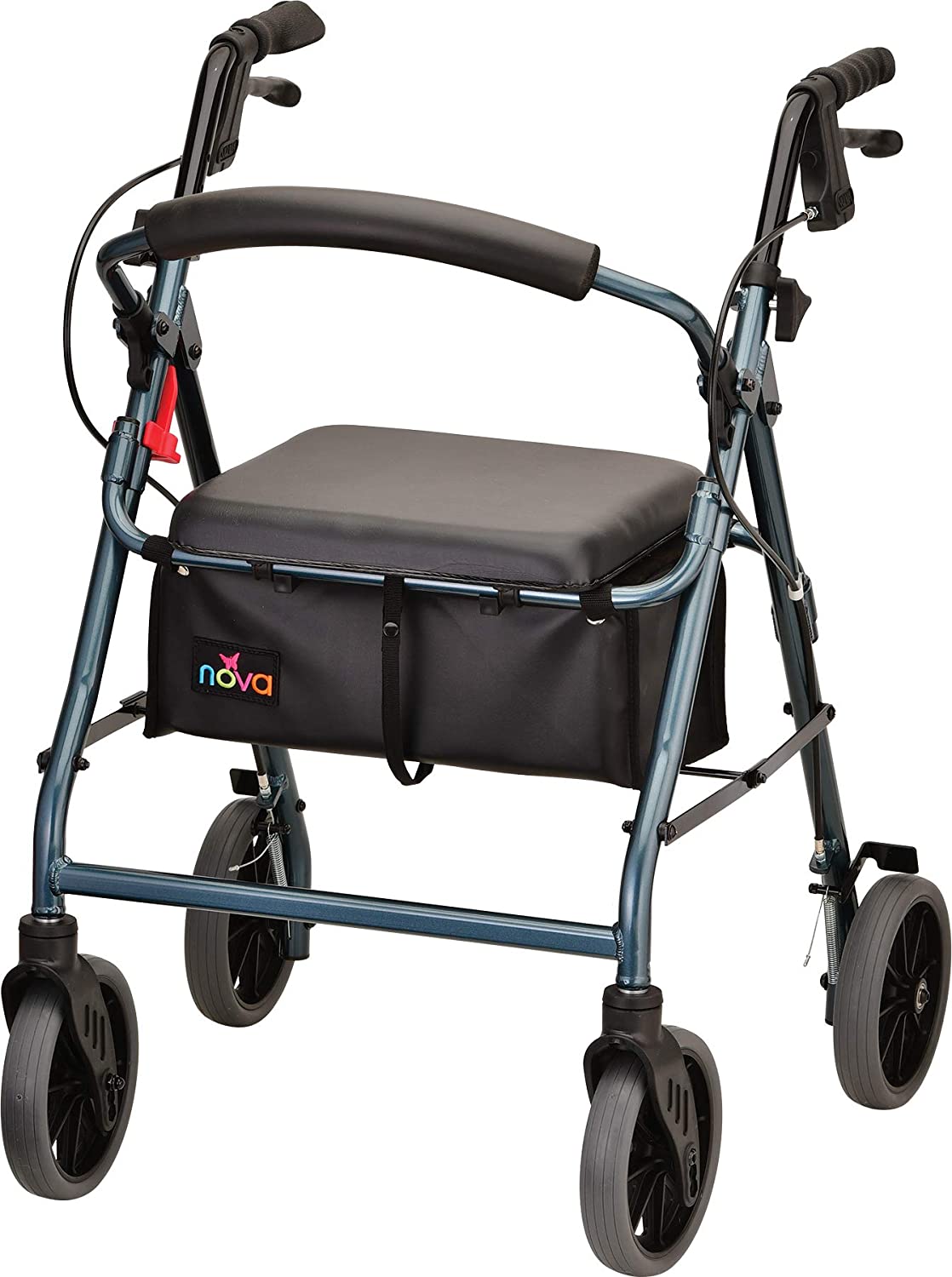
I hated the idea of getting one, It’s an admission that at nearly 81 I’m becoming old and infirm. That SUCKS!! And I really hated those stupid hand brakes. Like you’re gonna have a runaway walker and need brakes? With the COPD I really need to exercise more. Walking unaided is a real chore when your lung capacity is less than 20%. But I found that when I was grocery shopping and using a cart for support I could walk well without getting winded. I though perhaps if I overcame my loathing of those handbrakes I might be able to exercise better. I had the opportunity a couple of weeks ago to try one out and I was right. Walking with it was easier. So I went out the very next morning and bought one.
I’ve done several walks of a mile and I won’t lie, I rested several times in the process. My goal isn’t to walk a couple of miles at a time, but to walk that mile with fewer and few rest stops as I get deeper into the regimen. There are small town things I’m enjoying. Like on the walks people driving by give a little wave even though they don’t know me. But they must figure if I’m out walking and pushing the rollator I must be local and all locals get waves. Mostly the two fingers off the steering wheel acknowledgement you exist and a recognized.
I have to admit that I’ve changed my mind about the brakes. Oh, I still think they look stupid, but as I’m walking and getting out of breath it’s nice to put them in locking mode and sit on the built-in seat and just be “in the moment” where I’ve stopped.
Here are some of the sights I’ve seen in strolling around Mount Peculiar
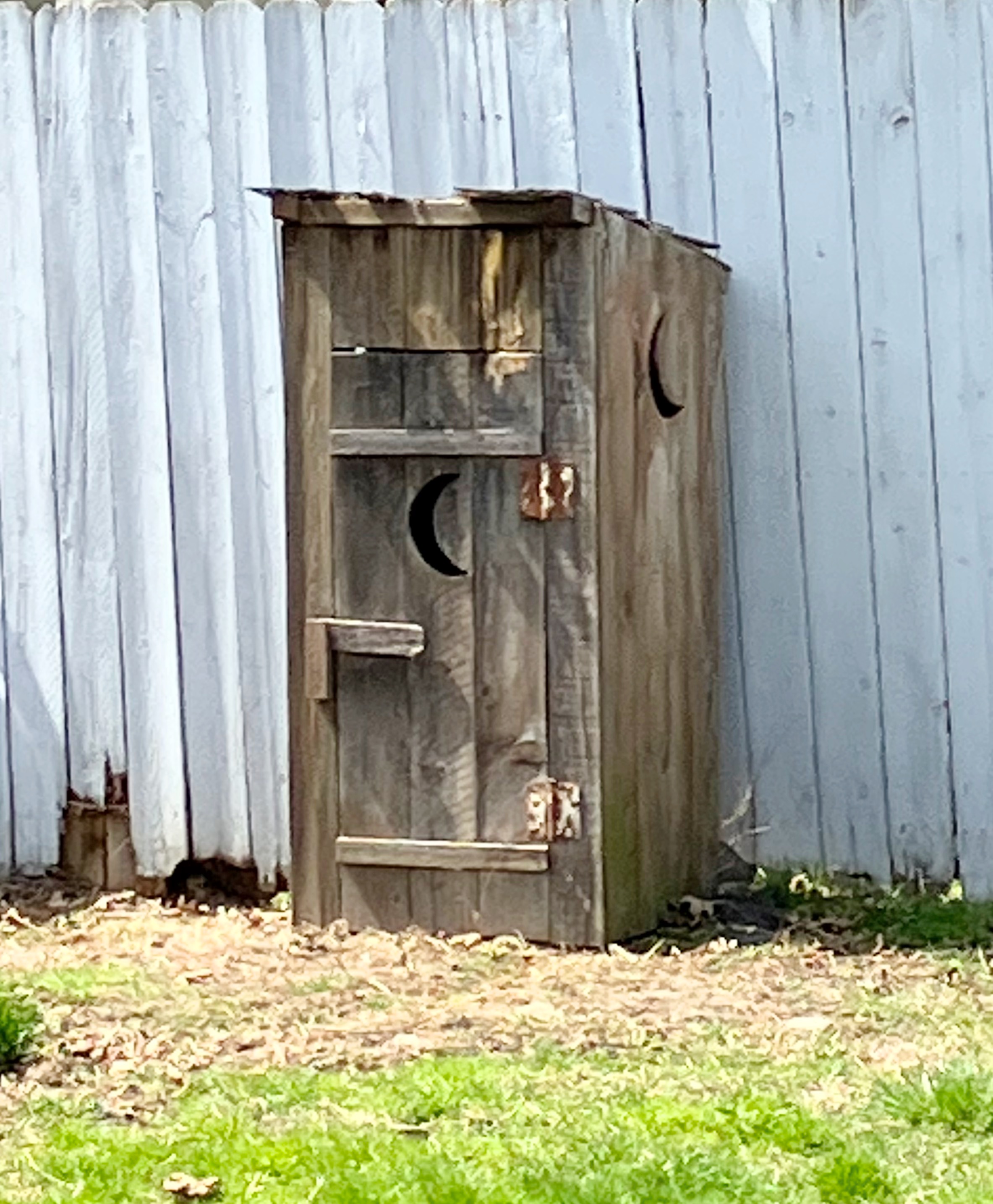
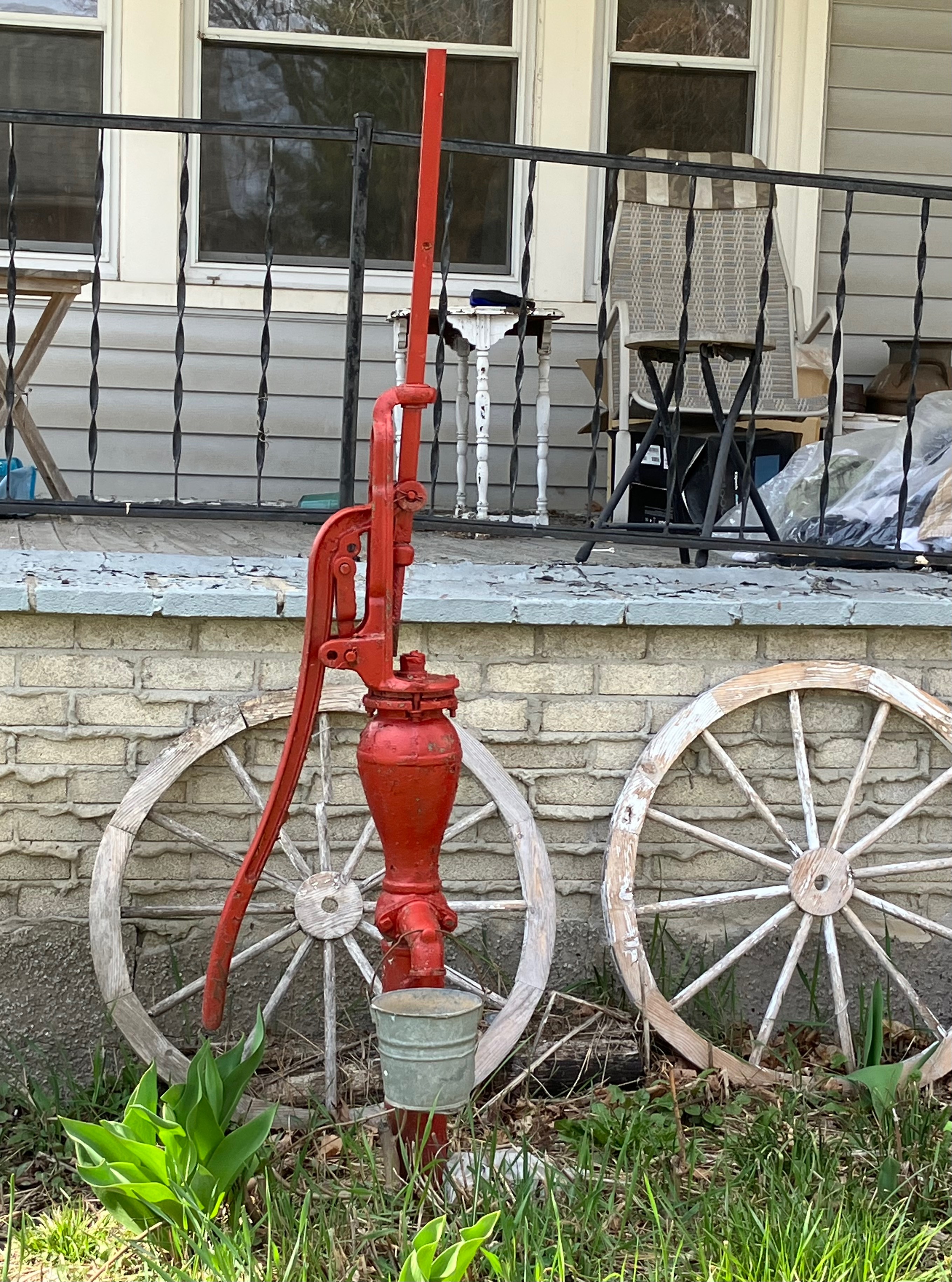
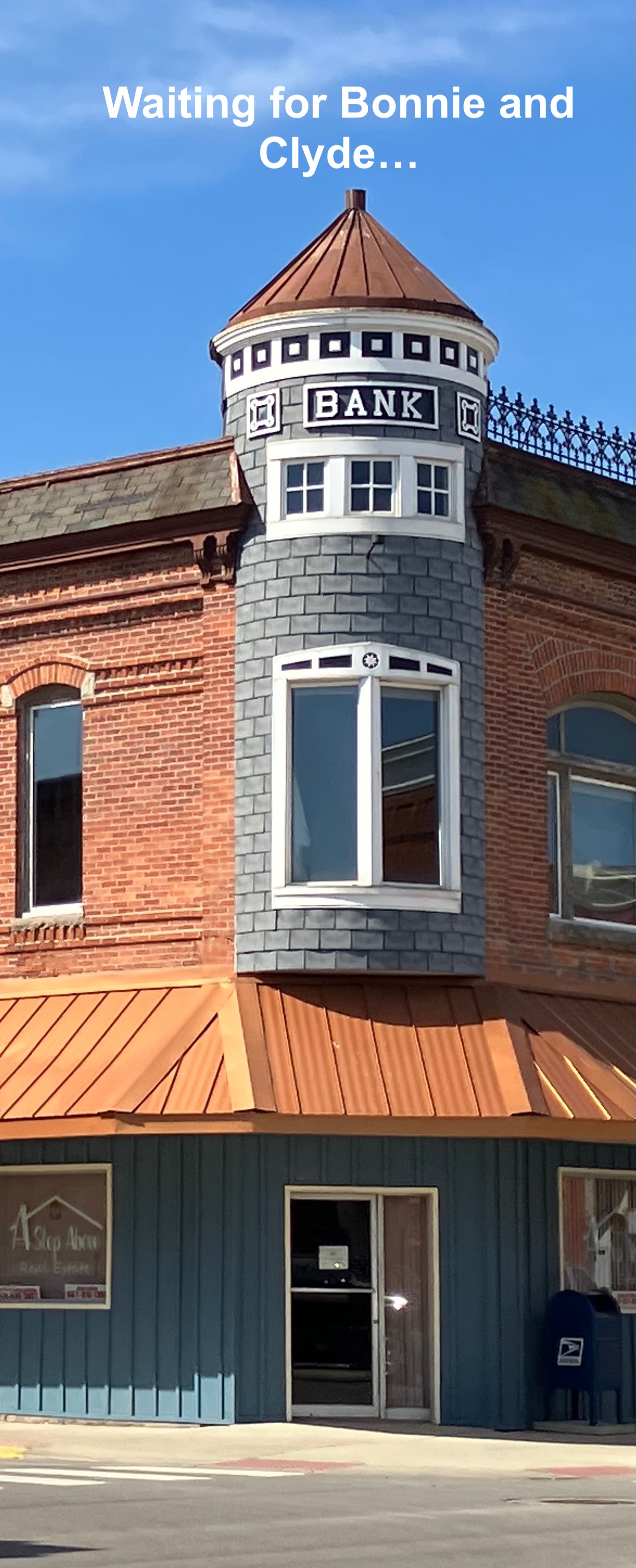
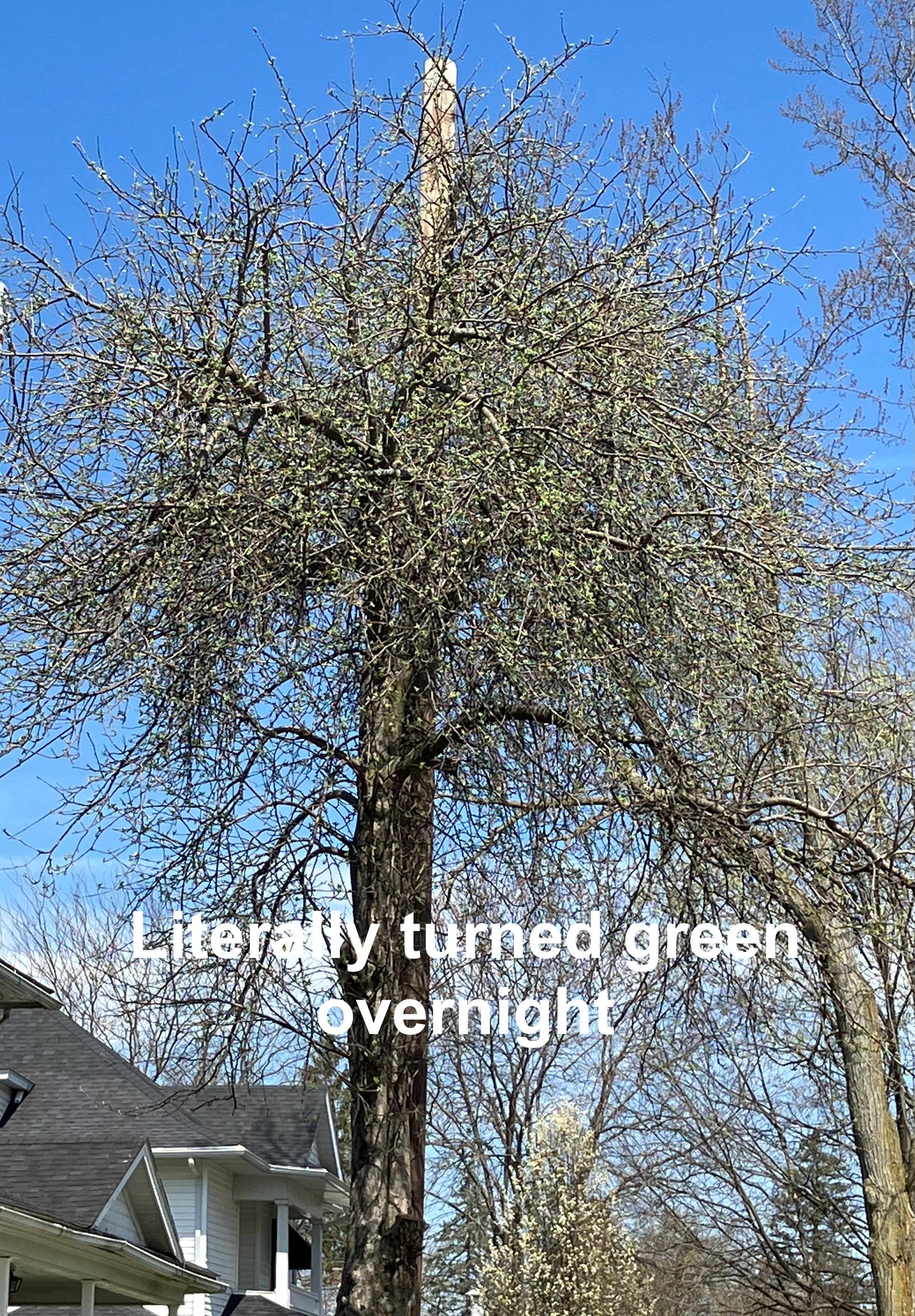
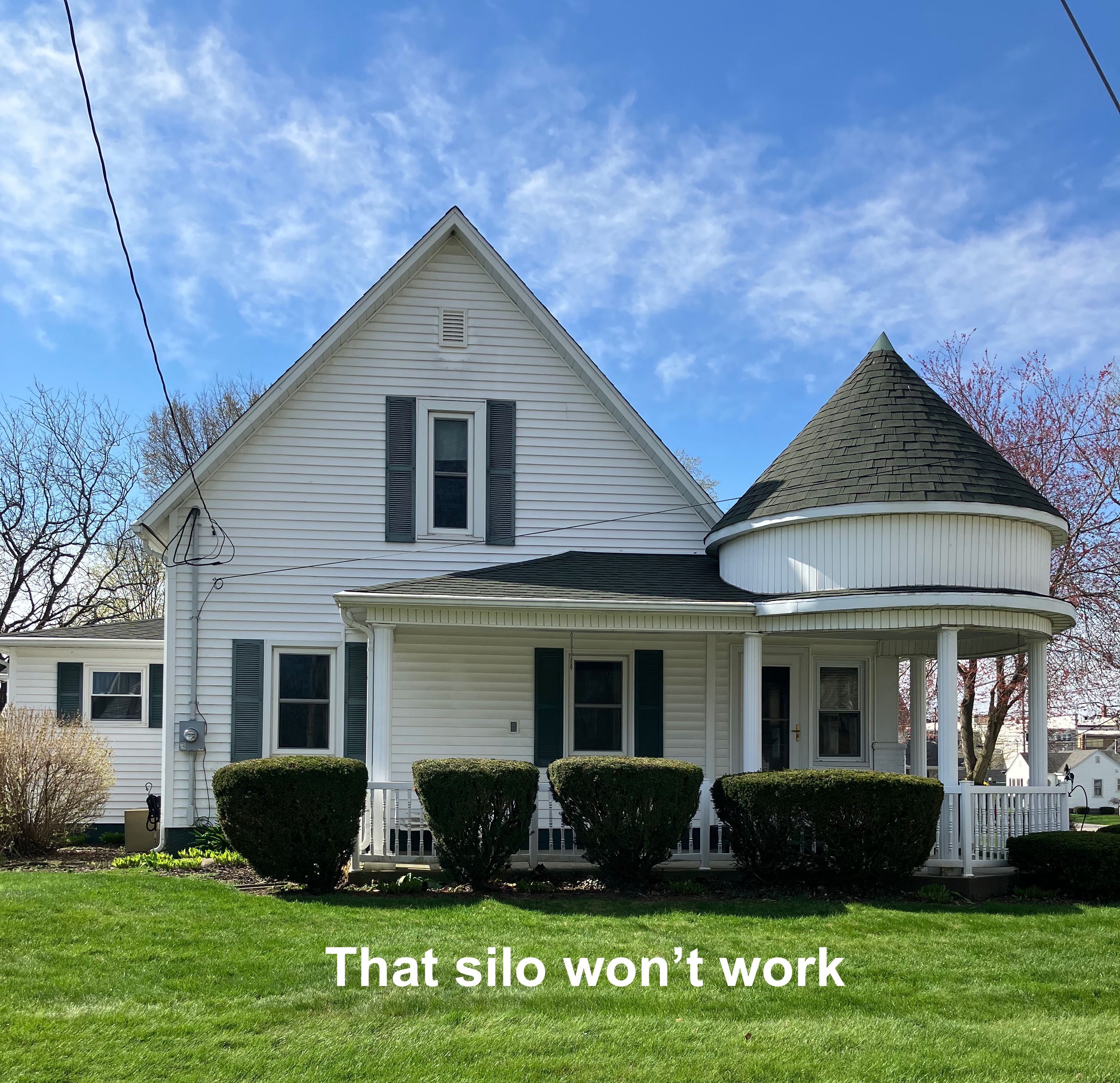
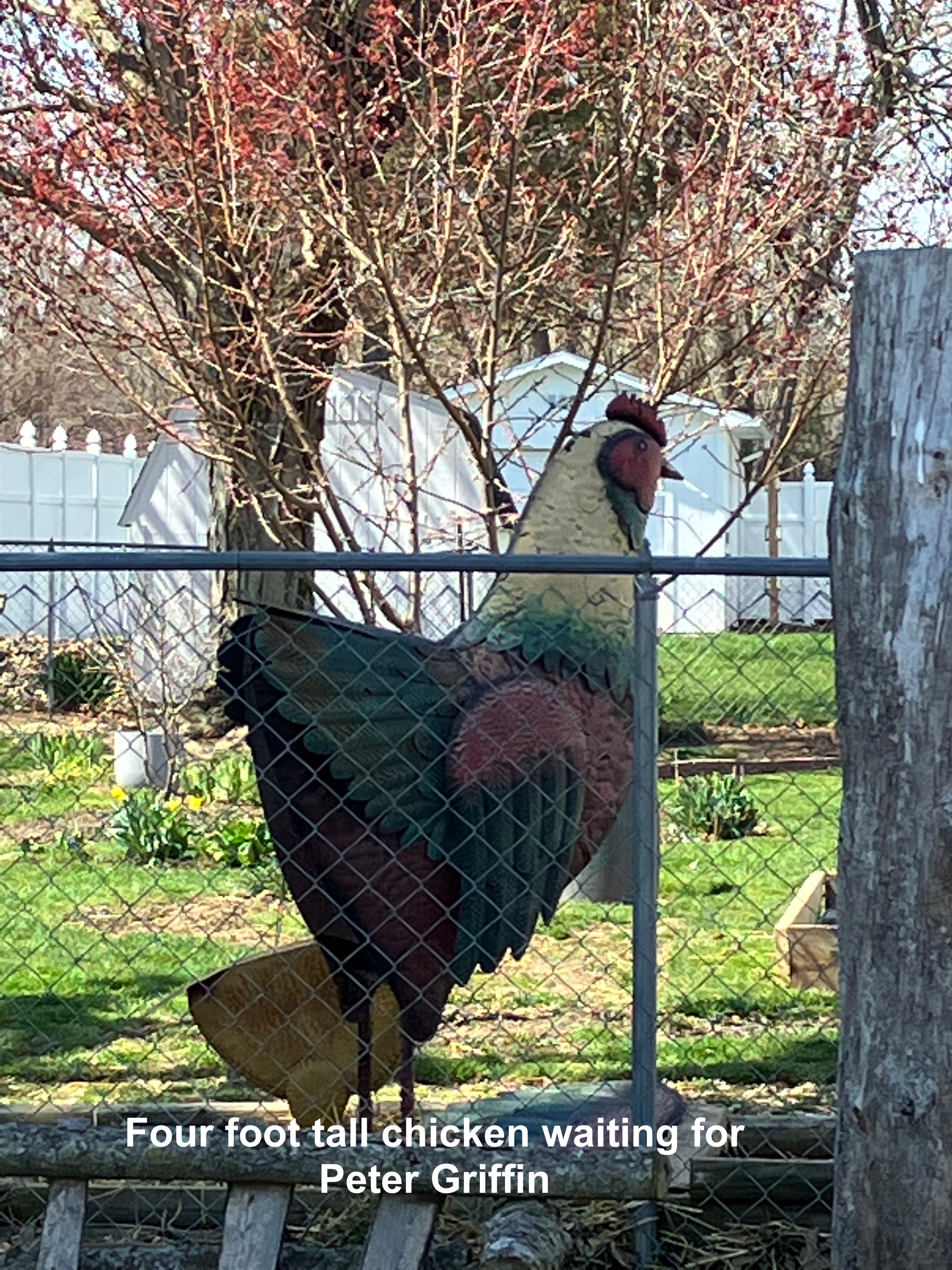
Pumps are apparently a thing in Mount Peculiar
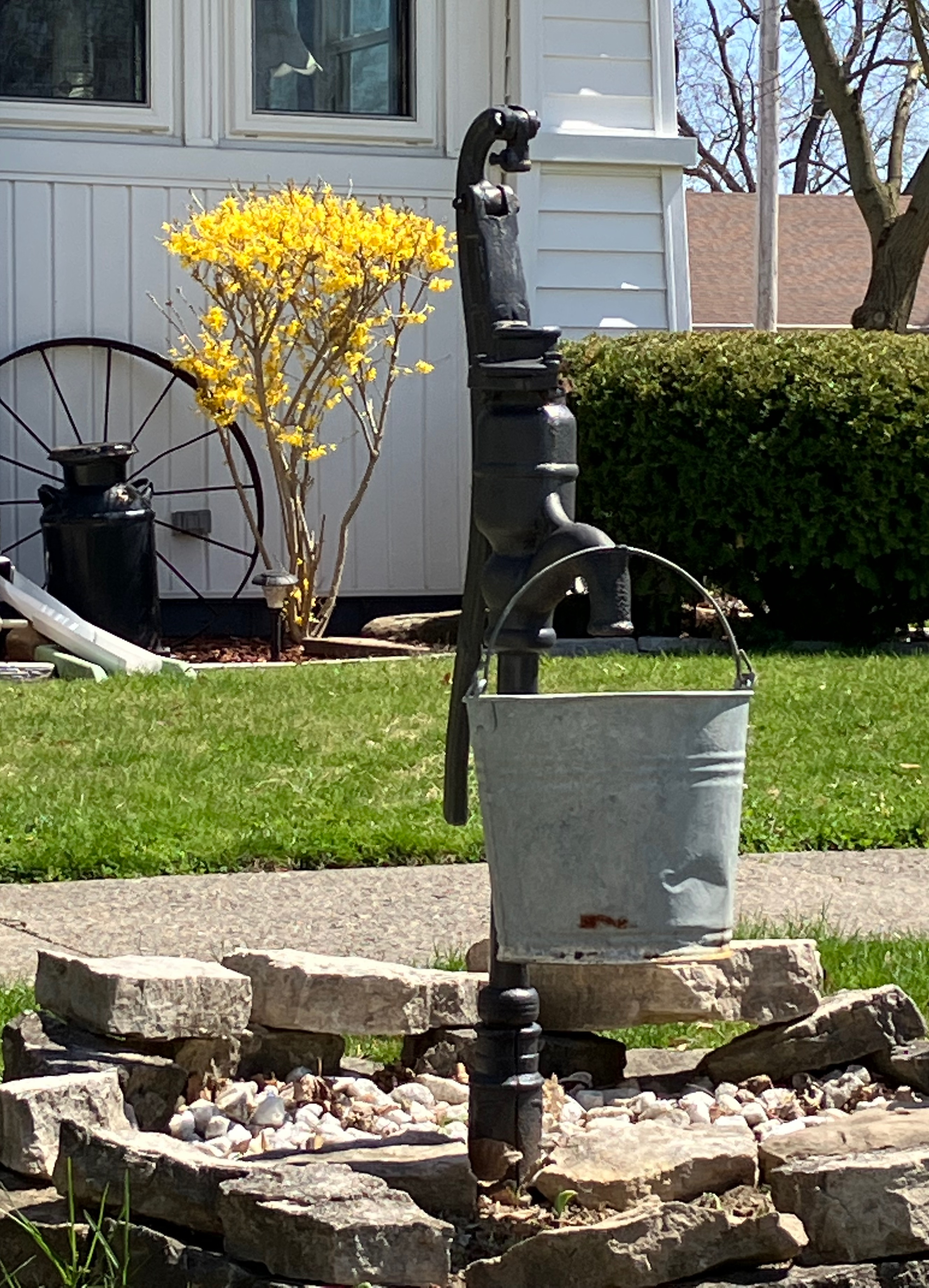

There will be more pics coming as I roam around different areas.
Comments Off on Mount Peculiar, Ohio (Where Mayberry collides with the Twilight Zone)
Filed under Uncategorized

 One More Good Adventure